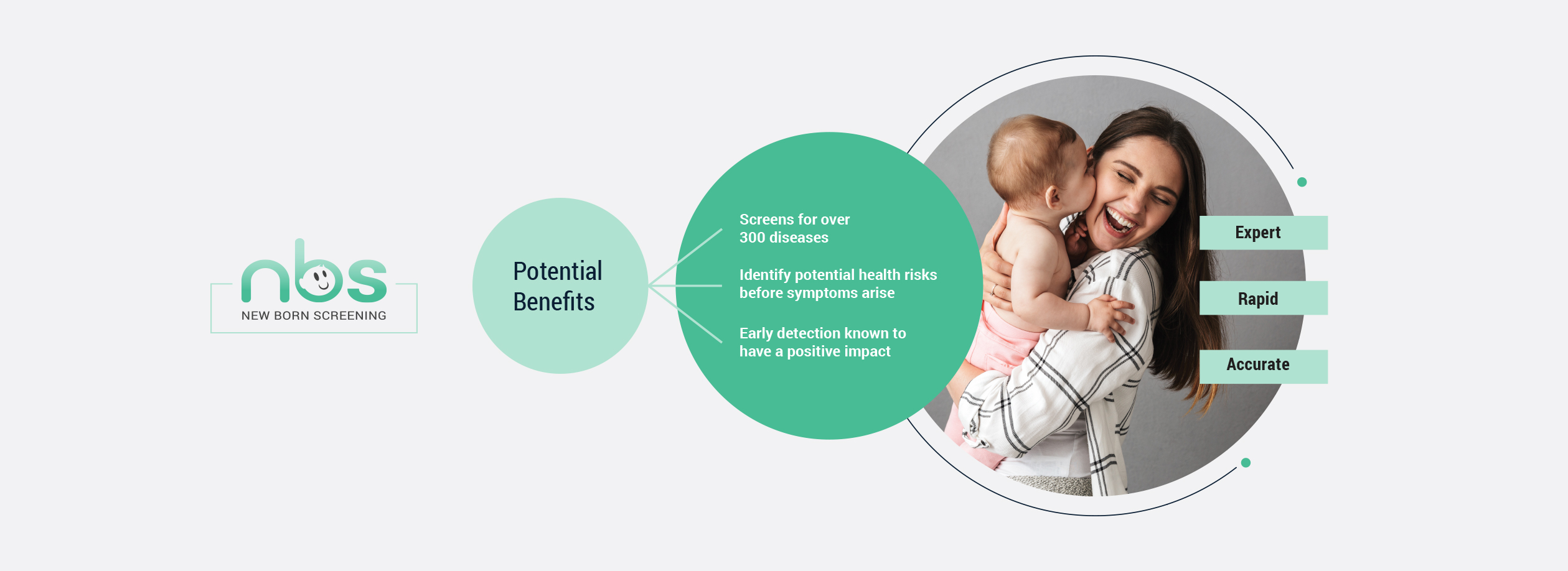
Newborn screening (NBS) is a critical public health initiative aimed at identifying serious genetic and metabolic disorders in infants shortly after birth. Early detection enables timely medical intervention, significantly reducing morbidity, mortality, and long-term disability associated with many inherited conditions.
The integration of Next-Generation Sequencing (NGS) into newborn screening has enabled comprehensive genomic analysis to identify disease-causing variants across multiple genes simultaneously. NGS-based screening enhances diagnostic accuracy, facilitates confirmatory testing, and enables detection of a broader spectrum of inherited disorders from a single assay. NGS-driven newborn screening supports precision medicine from the earliest stage of life by providing rapid and reliable genetic insights that guide early diagnosis, clinical management, and long-term care.
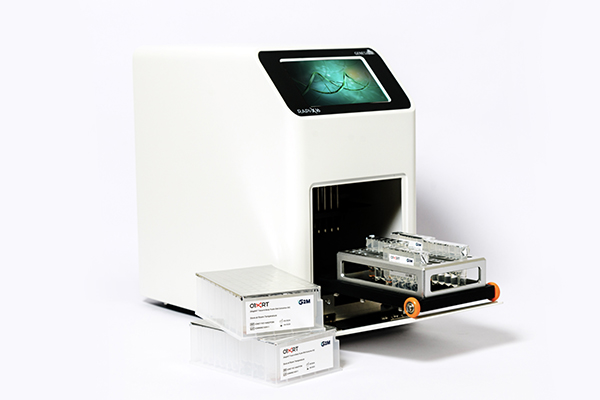
The Genes2Me Newborn Screening (NBS) NGS Kit is a targeted sequencing solution designed for comprehensive detection of genetic variants associated with inherited metabolic disorders, congenital conditions, and other clinically actionable neonatal diseases.
Designed for high-throughput laboratories and public health programs, the assay enables scalable, cost-effective genomic screening while maintaining high sensitivity, accuracy, and reproducibility.
The conditions screened by the G2M NBS test are categorized into key clinical groups. Each category includes examples of specific disorders along with their typical management approaches.
| Disease Group | Disorder | Signs & Symptoms | Care Pathway |
|---|---|---|---|
| Metabolic | Amino Acid Metabolic Disorders | Poor feeding or vomiting, failure to thrive, developmental delay, locomotor retardation. | Special diets, medications, and nutritional supplements. |
| Organic Acid Metabolic Disorders | Vomiting, hypoglycemia, hyperammonemia, seizures, hypotonia, lethargy, coma. | Low-protein diet, carnitine supplementation, and additional dietary support. | |
| Fatty Acid β-Oxidation Disorders | Hypoketotic hypoglycemia, liver dysfunction, cardiomyopathy in neonates. | Avoid fasting, prompt illness management, carnitine if required. | |
| Endocrine Disorders | Low energy, feeding difficulties, seizures, jaundice, organ enlargement. | Tailored diet, medications, enzyme therapy, intensive care when needed. | |
| Carbohydrate Metabolic Disorders | Extreme fatigue, vomiting, weak muscle tone, seizures. | Diet modification, supplements, medications, complication management. | |
| Metabolic Epilepsy Diseases | Seizures, breathing difficulties, hypotonia, abnormal movements. | Phenobarbital first-line therapy; alternatives include levetiracetam or phenytoin. | |
| Other Inborn Errors of Metabolism | Weight loss, seizures, developmental delay, unusual urine or sweat odor. | Prevent toxic metabolite accumulation, long-term dietary and medical therapy. |
| Disease Group | Disorder | Signs & Symptoms | Care Pathway |
|---|---|---|---|
| Genetic | Deafness | Lack of response to sound, delayed speech and language development. | Medical intervention, hearing aids, cochlear implants. |
| Hemophilia B | Prolonged bleeding after procedures, excessive bruising. | Factor replacement therapy; gene therapy under evaluation. | |
| β-Thalassaemia | Fatigue, pallor, jaundice, dark urine, enlarged abdomen. | Blood transfusion, iron chelation, stem cell transplant, folic acid. | |
| Noonan Syndrome | Distinct facial features, heart defects, growth delay. | Growth hormone therapy, speech/behavior therapy, medications, surgery. | |
| Marfan Syndrome | Aortic enlargement, heart valve defects, eye and skeletal issues. | Cardiac medication, surgery, activity limitation, orthopedic support. |
*The panel’s performance is from the Illumina platform.
| Commercial Name | Cat No. | Pack Size | Platform |
|---|---|---|---|
| GenomeKundli- New born screening NGS Test Kit | G710019-1 | 24 T | Illumina |
| G710019-2 | 96 T | Illumina | |
| G710019-3 | 96 T - EZY | Illumina - EZY | |
| GenomeKundli- New born screening NGS Test Kit | G710019-4 | 24 T | MGI |
| G710019-5 | 96 T | MGI | |
| G710019-6 | 96 T - EZY | MGI - EZY | |
| GenomeKundli- New born screening NGS Test Kit | G710019-7 | 24 T | Aviti |
| G710019-8 | 96 T | Aviti | |
| G710019-9 | 96 T - EZY | Aviti - EZY | |
| GenomeKundli- New born screening NGS Test Kitstrong | G710019-10 | 24 T | Thermo |
| G710019-11 | 96 T | Thermo | |
| G710019-12 | 96 T - EZY | Thermo - EZY |
Since its inception in 2016, Genes2me has been constantly striving towards setting a benchmark in the diagnostics space by introducing premium quality (Made in India) diagnostic kits which are CE-IVD, ISO-13485:2016, and ISO 9001:2015 certified, assuring our clients of unparalleled quality and compliance with international standards.
© 2026 Genes2me. All rights reserved.