Antimicrobial drug resistance (AMR) refers to the ability of microorganisms, including bacteria, viruses, fungi, and parasites, to withstand the effects of medications designed to kill or inhibit their growth. This phenomenon poses a significant global health threat, as it undermines the effectiveness of antibiotics, antivirals, anti-fungal, and anti-parasitic drugs, making infections harder to treat and increasing the risk of severe illness, complications, and death. Effective treatment of infection depends on accurate identification of the pathogen and the correct choice of antibiotics, making accurate antimicrobial susceptibility (AST) profiling of a pathogen crucial for the treatment of underlying infection.
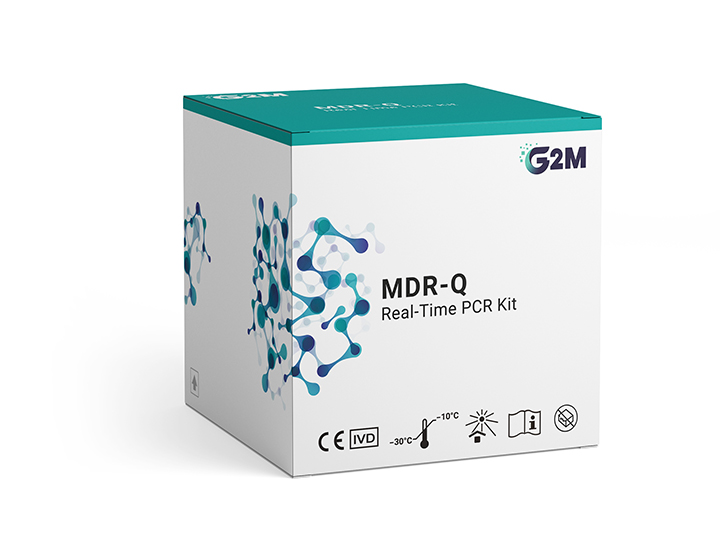
To address this critical clinical need, Genes2Me introduces the MDR-Q Real-Time PCR Kit (Antimicrobial Resistance), a comprehensive molecular diagnostic solution for the qualitative detection of eighteen antimicrobial resistance genes in human clinical samples. The kit includes a comprehensive set of reagents and protocols for the accurate and efficient detection and differentiation of resistance genes encoding resistance to Carbapenems, Vancomycin, Methicillin, Colistin, Extended spectrum beta lactams (ESBLs), AmpC beta lactamase, Trimethoprim/Sulfamethoxazole (SXT), and plasmid mediated quinolone resistance (PMQR). The assay is intended to be performed by a laboratory professional in a clinical laboratory.
The MDR-Q Kit is based on real time PCR technology using specific oligonucleotide primers and dual labeled fluorescent hydrolysis probes that target conserved regions of the resistance genes. Each probe is labeled with a reporter dye at the 5’ end and a quencher at the 3’ end. During PCR amplification, the probes hybridize to their complementary DNA targets, and as Taq polymerase extends the primers, it cleaves the bound probe through its exonuclease activity, separating the reporter from the quencher and producing fluorescence proportional to the amount of target DNA present. The assay is conducted across five separate reaction tubes. Tube 1 targets the carbapenem resistance genes VIM (FAM), OXA-48 (HEX), IMP (Texas Red), and NDM (Cy5).
Tube 2 targets the Methicillin resistance gene mecA (FAM), CTX-M (HEX), vanA (Texas Red), and the Colistin resistance gene MCR-1 (Cy5). Tube 3 targets TEM (FAM), vanB (HEX), SHV (Texas Red), and the AmpC beta lactamase resistance gene citM (Cy5). Tube 4 targets the Trimethoprim/Sulfamethoxazole resistance genes dfrA1 (FAM) and dfrA5 (HEX), sul2 (Texas Red), and the plasmid mediated quinolone resistance gene aac6’-Ib-cr (Cy5). Tube 5 targets the carbapenem resistance genes KPC (FAM) and OXA-23 (HEX), together with an Internal Control (Cy5).
Antimicrobial resistance undermines the effectiveness of antibiotics, antivirals, anti-fungal, and anti-parasitic drugs, making infections harder to treat and increasing the risk of severe illness, complications, and death. Rapid molecular detection of resistance genes conferring resistance to Carbapenems, Vancomycin, Methicillin, Colistin, Extended spectrum beta lactams, AmpC beta lactamase, Trimethoprim/Sulfamethoxazole, and plasmid mediated quinolone resistance supports accurate antimicrobial susceptibility profiling, helping clinicians choose effective antibiotic therapy and supporting antimicrobial stewardship in the underlying infection.
Qualitative detection of eighteen antimicrobial resistance genes spanning Carbapenems, Vancomycin, Methicillin, Colistin, Extended spectrum beta lactams (ESBLs), AmpC beta lactamase, Trimethoprim/Sulfamethoxazole (SXT), and plasmid mediated quinolone resistance (PMQR), across 5’ probe tubes.
Dual-labelled fluorescent hydrolysis probes targeting conserved regions of resistance genes deliver specific, real time fluorescence detection proportional to target DNA present.
An Internal Control included in Tube 5 validates assay performance in every run, supporting confidence in result interpretation.
100% analytical sensitivity and 100% analytical specificity, with a limit of detection of 100 copies per ml and a measuring range of 10 to 109 copies per reaction.
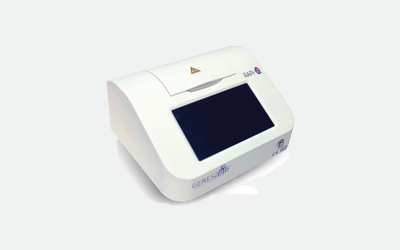
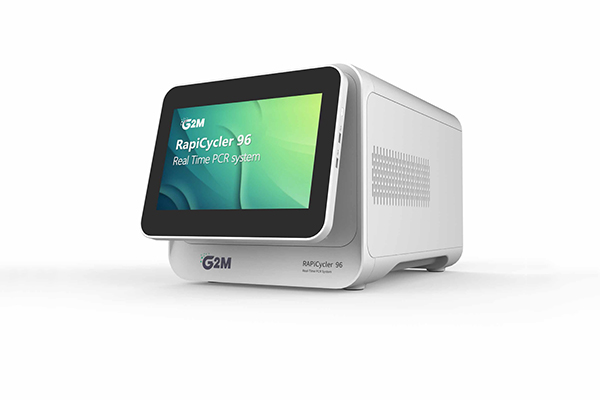
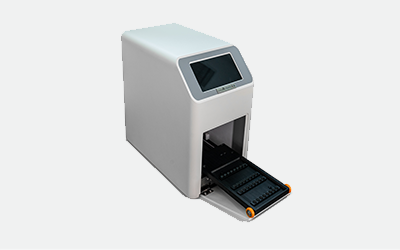
Validated on leading Real-Time PCR platforms including Thermo Fisher QuantStudio 5, Bio-Rad CFX96, Roche LightCycler 480, and Genes2Me RapiCycler 96
he kit has a shelf life of 12 months from the date of manufacture and remains stable until the labelled expiration date when stored as specified.
With the MDR-Q Real-Time PCR Kit (Antimicrobial Resistance), laboratories can achieve sensitive, specific, and clinically meaningful detection of the genes responsible for multidrug resistance. By supporting accurate antimicrobial susceptibility profiling across a comprehensive AMR gene panel, the kit helps clinicians make timely, informed decisions for patient care and antimicrobial stewardship. Empower your laboratory with the MDR-Q Real-Time PCR Kit, because rapid molecular insights can make a lasting difference in patient outcomes.
MDR-Q Real-Time PCR Kit (Antimicrobial Resistance) specific amplification plot of Treponema pallidum Positive Control (HEX Channel) along with Internal Control (Cy5 Channel)
| Commercial Name | Old Cat No. | New Cat No. | Pack Size |
|---|---|---|---|
| MDR-Q Real-Time PCR Kit (Antimicrobial Resistance) | G2M707521 | G610016 | 50 Tests |
Since its inception in 2016, Genes2me has been constantly striving towards setting a benchmark in the diagnostics space by introducing premium quality (Made in India) diagnostic kits which are CE-IVD, ISO-13485:2016, and ISO 9001:2015 certified, assuring our clients of unparalleled quality and compliance with international standards.
© 2025 Genes2me. All rights reserved.